
IRT advising has always been the core component of the IRT program. Building connections, community, and confidence through advising has never been more relevant than in the changing and recently daunting educational landscape. Under the direction of Brittany Zorn, IRT ’13, and Leislie Godo-Solo, IRT ’91 the program has developed into an ever-evolving model of targeted sessions that support and meet IRT Scholars where they are throughout the entire graduate school process.
The advising season is more than underway and the advising team has worked with scholars together with encouragement, diligence, and fortitude through an intensive time that can be overwhelming.
Sincere appreciation to Brittany and Leislie for leading the team with such thoughtfulness and intent and to the amazing IRT alumni advisors for their continued work ensuring this critical program constantly flourishes.
Why do you work as an Advisor?
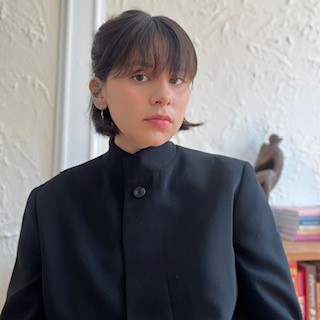
Daisy Matias, IRT ‘20
“I applied to doctoral programs during the 2020–2021 application cycle — perhaps one of the most challenging cycles in recent history due to the decision by many programs to not review applications. Despite the unprecedented challenges, the IRT was there to support my cohort through the whole process, alerting us to which programs would not be accepting applications, suggesting alternatives, and encouraging us even when it felt as though the odds were stacked against us in every conceivable way. I am forever grateful to the IRT, and particularly my advisor, Brittany Zorn, for the support I received during that time. Experiencing the impact of SOP and IRT advisors during my time as a Scholar made coming back as an SOP advisor an easy decision for me. Working as an SOP advisor is so much more than just editing documents — it allows participants facetime with someone who has been through the process themself, and who can support them not only as writers but holistically, as scholars. I regularly receive meeting requests from scholars who are not my advisees, and who are interested in my program or my process, and I say yes whenever possible. I have always thoroughly enjoyed supporting the academic success of others, and the IRT has given me a place where I can do it for a community of underrepresented scholars and educators with whom I share similar life experiences and career trajectories. I recently accepted a graduate internship in the Office of Diversity and Inclusion at my home institution Northwestern University, and I see it as a continuation of the work that I do with the IRT. My time as an IRT scholar was the beginning of my path to building community with other underrepresented academics and educators, and working as an SOP advisor has let me maintain a connection with a community that means so much to me.”
Daisy Donaji Matias is an Oaxacan-American writer, curator, and performance scholar from Richmond, Virginia. As a Ph.D. student in the Department of Performance Studies at Northwestern University, Daisy works at the intersection of performance theory, psychological anthropology, and phenomenology to consider the transformative potential of meditation, hypnosis, sound healing, and other emergent phenomena upon the minoritarian body. Daisy holds dual BAs in Art History and Gender, Sexuality, and Women’s Studies from Virginia Commonwealth University and an MA in Performance Studies from Northwestern University. In addition to her academic pursuits, Daisy works as a Statement of Purpose Advisor for the Institute for Recruitment of Teachers and as a Graduate Intern in the Office of Diversity and Inclusion at Northwestern University.
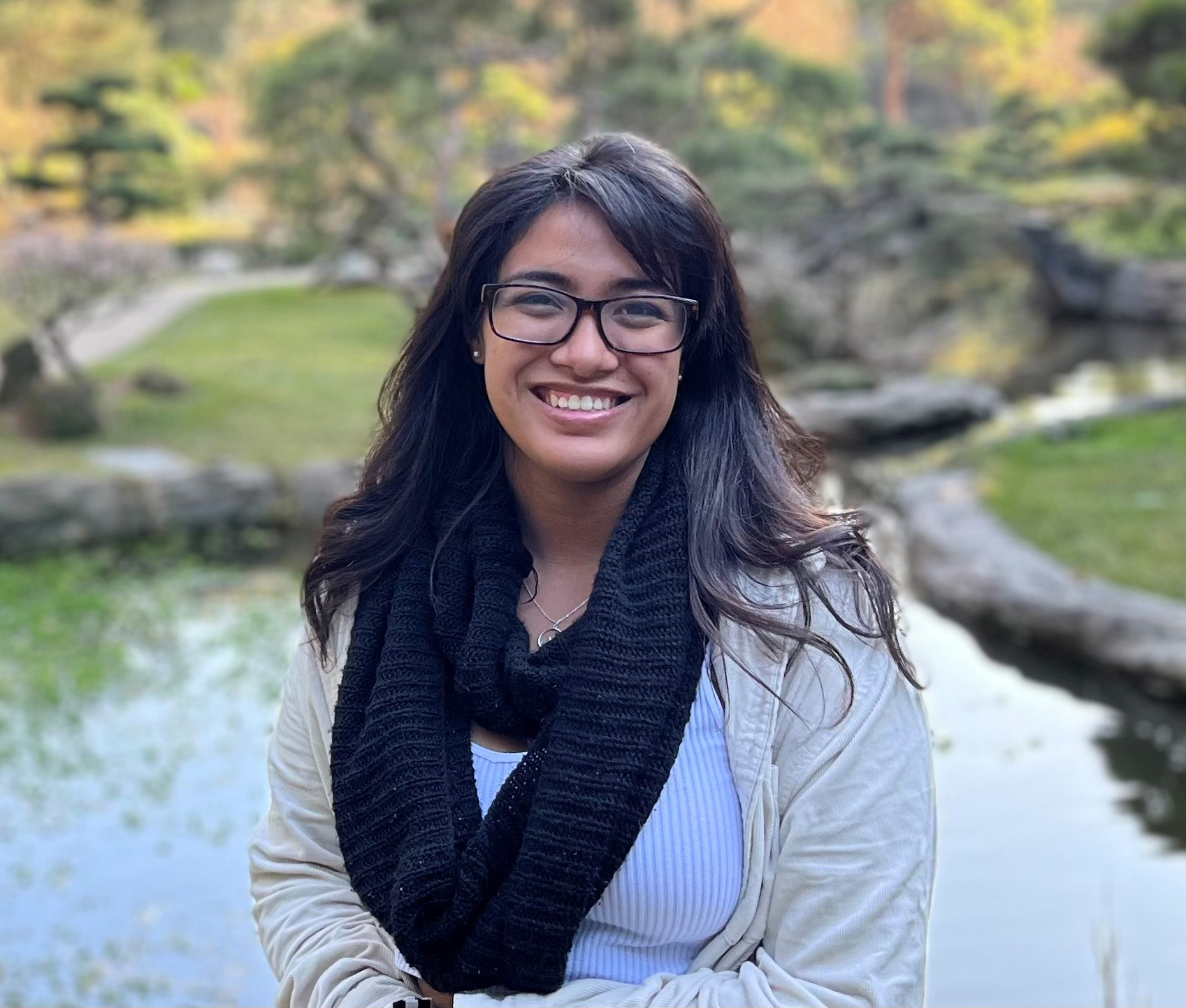
Yasmin Mendoza, IRT ’21
“I applied to be an SOPA advisor because I would not be where I am today without IRT. The individualized attention I received through the program, the academic and emotional support, and the knowledge I gained were priceless. It is my greatest hope that I can give any student I work with the same feeling of confidence that no matter where I ended after the application deadline was over, I had done everything I could. Every individual in the IRT program belongs in academia, and I am incredibly proud to be a part of this program.”
Yasmin Mendoza is a Ph.D. student at the University of California, Davis studying English literature. She received her Bachelor of Arts in English and Theatre at Whittier College in the fall of 2021. She is a Mellon Mays fellow and an Institute for Recruitment of Teachers fellow. At UC Davis, she studies contemporary American literature and her research interests include censorship of literature and cinema in America post-1973 and its intersection with digital humanities. Her most recent work, entitled “Banning Without Bans,” was published on MLA Sites in the summer of 2022.
Woohee Kim, IRT ’19, PhD student at Harvard University
“I’m really excited to return to the IRT community as a Statement of Purpose Advisor. With the support of Leislie and LaShawnda a few years ago, I found the process of writing a Statement of Purpose to be an important and rewarding intellectual journey that helped me refine my ideas, weave my lived experiences and interests into a narrative, and articulate my scholarship and its significance in different words. I look forward to becoming a thought partner to IRT scholars in their intellectual adventures!”
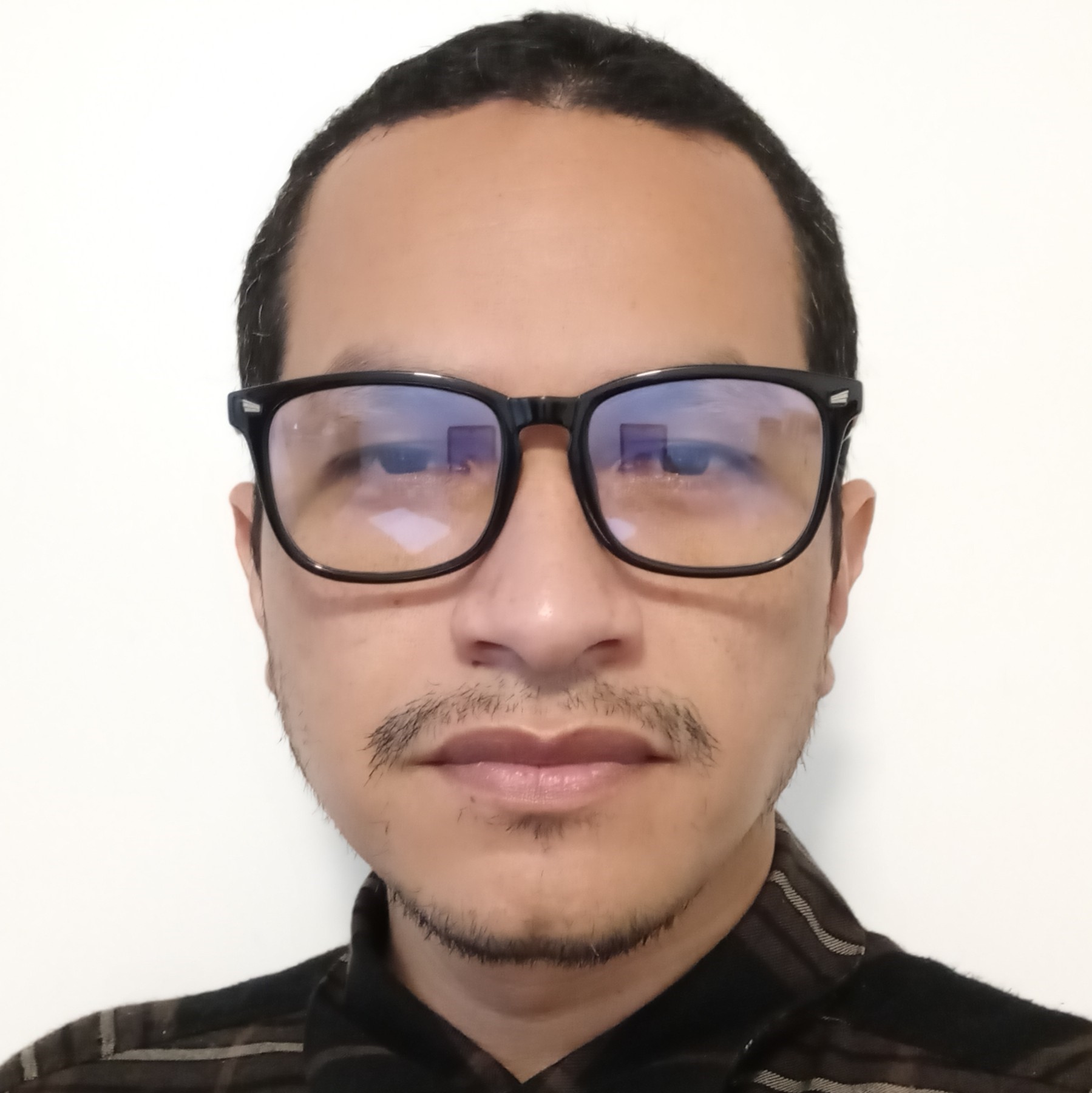
Abraham Encinas, IRT ’13
“Currently, I am working with four IRT advisees. Each has a unique history, personality, and motivation. Each also has a unique interdisciplinary project that transgresses the borders of traditional academic boundaries. One researches archives to write the history of Sino-Latin American political relations during the Cold War—a project that encompasses international politics, ideological battles, microhistories, and several languages. Another actively works in the intersection of black queer life, Africana arts, and music, religion, and education, all in the service of aiding struggling queer young black boys.
The third envisions transforming the liberal politics of inclusion into a politics of difference and uses psychoanalytic and postcolonial theory as well as the arts and literature for this politico-philosophical project. My last advisee, with whom I’ve sat down to drink tea at Urth Caffé, aims to disentangle the ways digital technologies reactivate racist discourses and at the same time the ways they provide outlets for activism and protest. Now that I’ve had months to get to know them better, it’s difficult for me to disentangle their histories, personalities, and motivations from their works. They are their works.
The last seven years found me in a depressive and anxious state. COVID and lockdown didn’t help. Today, however, I’ve rediscovered the joy of learning from others. I enjoy learning from each of my advisees as they have much to teach me about their work and personal histories. I humble myself and make myself a fool so that I may be wise. But I also take comfort in knowing that I can guide them. That’s what I know for sure. I can guide them.”
Abraham Encinas is a Ph.D. graduate student in English at UCLA. He studies the fraught relationship between language and power by analyzing novels of dictatorship in U.S. multi-ethnic literature and Latin American literature. He can speak, read, and write in academic Spanish fluently and has done work in oral and written translation. He has conducted interviews for the Environmental Illness project, an oral history project digitally archived in the UCLA Library. He has taught literature, composition, and creative writing classes—and also teaches Sunday school. His favorite punctuation mark is one not typically used in academic writing but overused in the comic book genre: the excellent exclamation mark!
“Without IRT, I would not have applied to graduate school or considered becoming a professor. Now on the other side of this process as an associate professor and director of graduate studies, I’m very happy to be able to pay this forward and support terrific new scholars.”
Andrew Flachs, IRT ’10, Associate Professor of Anthropology, Purdue University
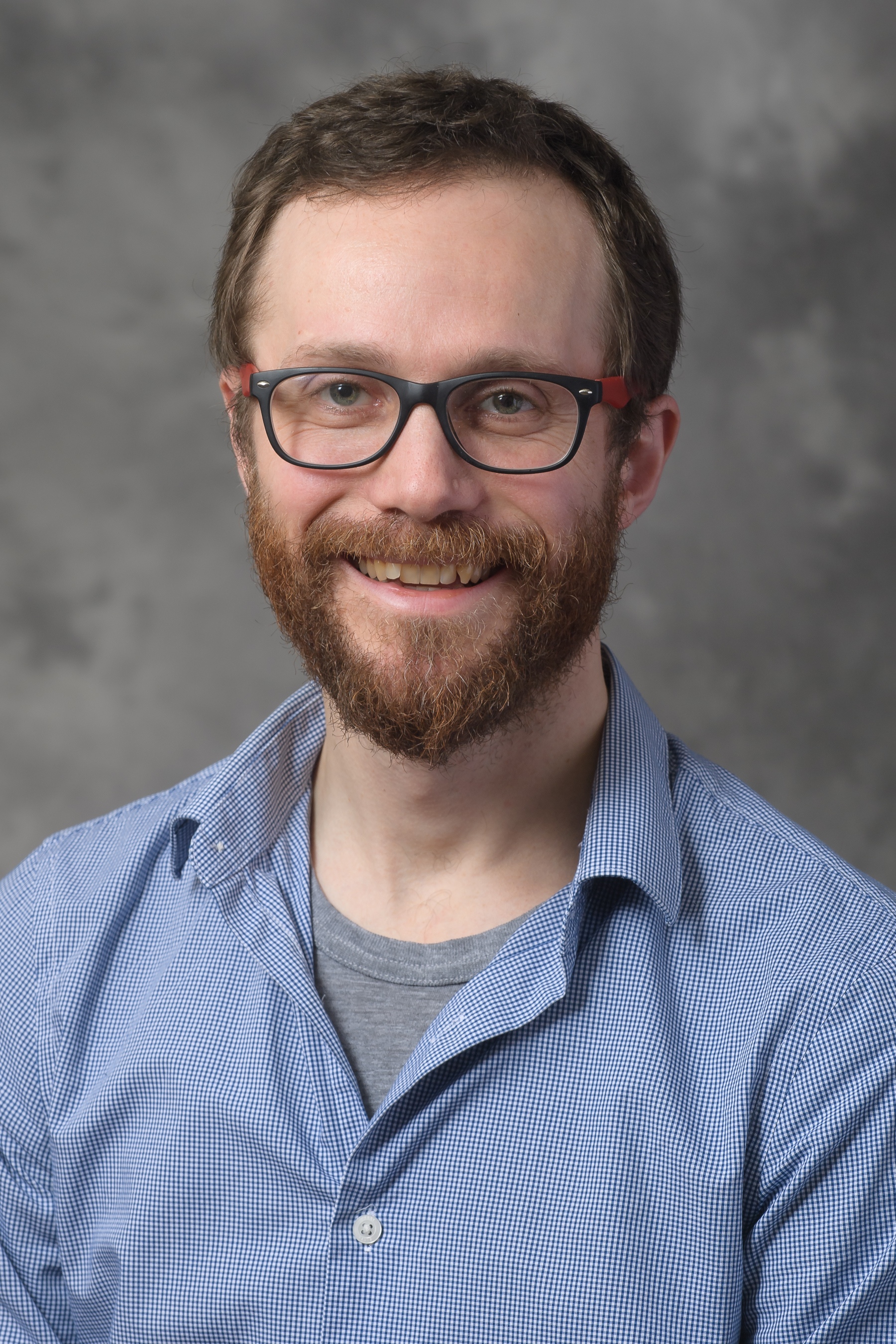
Dr. Andrew Flachs researches food and agriculture systems, exploring genetically modified crops, heirloom seeds, and our own microbiomes. Born and raised in rural Pennsylvania, he graduated from Oberlin College with dual Bachelor of Music and Bachelor of Arts degrees in 2010. He earned his Ph.D. from Washington University in St. Louis in April 2016 and was a 2016-2017 Volkswagen Exchange Postdoctoral Research Fellow with the Heidelberg University Karl Jaspers Centre for Advanced Transcultural Studies.
“For me it all started with IRT, my career which began 15 years ago, continues to strive due to a team of life long supporters. This community that we build in our summer IRT program does not just create a strong impact in our careers, it also gives us the confidence to believe in ourselves and our potential as educators and learners. I am grateful to have met, conversed with, and learned from not only fellow summer faculty but from scholars as well. I appreciated every interaction had and hope that through the lens of culturally responsive education, scholars and faculty alike continue to celebrate, respect, reflect in, and honor our diversity.”
Astrid Moises, IRT ’08 Pre-K teacher, NYC Department of Education
 Institute for Recruitment of Teachers