
Michelle Lifson, IRT ’15, ’24
Throughout my journey of applying for a Ph.D., I have discovered a renewed sense of purpose. While my passion for teaching remains strong, I am eager to expand my impact by implementing my ideas for supporting students on a larger scale. As an elementary Special Education teacher in a self-contained classroom for students with emotional and behavioral needs, my aspiration is to integrate Culturally Responsive Teaching with Trauma-Informed Education. I aim to develop methodologies that educators can use to support students who are at risk for or currently experiencing emotional and behavioral disorders (EBDs). Creating a safe, supportive, and nurturing classroom environment is essential to prevent further trauma and escalation. My successful approach as an educator has reinforced my commitment to helping other teachers cultivate similar environments. Ultimately, I envision myself transitioning into academia after completing my Ph.D., where I can contribute to the field and support fellow educators.
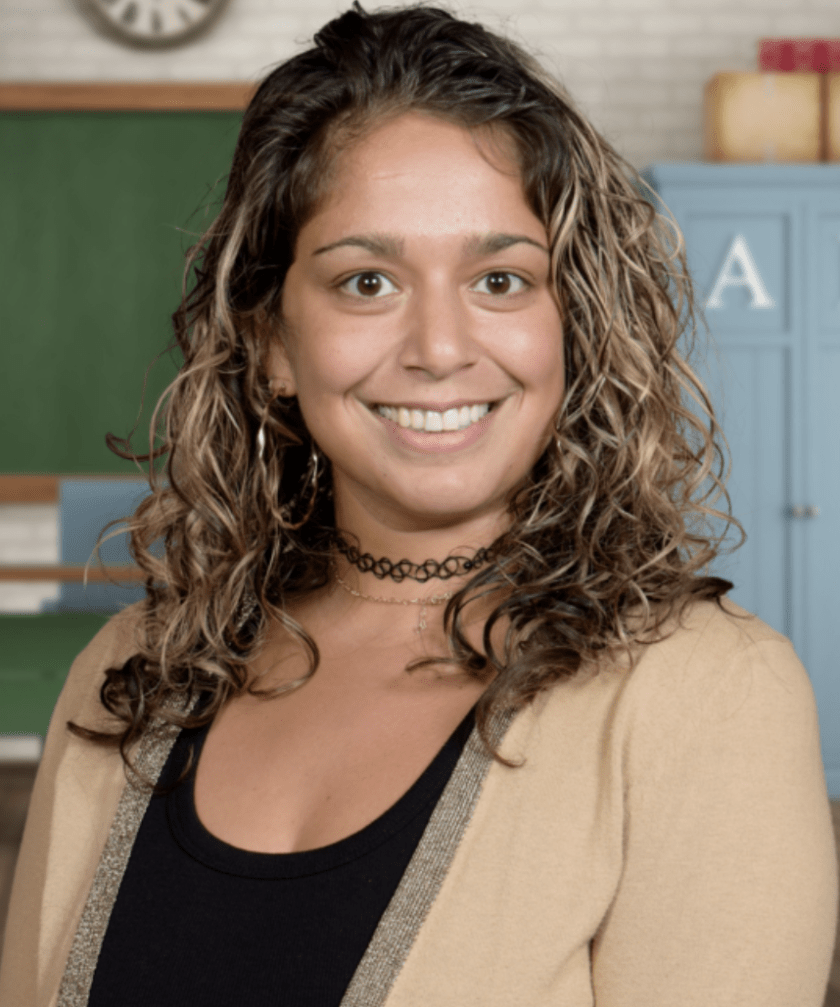
I am currently in my second round of the IRT program. My initial experience involved applying for my Master’s in Education, which presented significant challenges while working full-time. Balancing meetings during lunch breaks and after school, along with completing coursework outside of my job, was demanding. This time, as I applied for a Ph.D. in Education, I found myself feeling unprepared for the extensive effort required to create a competitive application. Again managing a full-time job, I dedicated entire weekends at Starbucks to focus on my writing. Completing the school list, reaching out to prospective professors, and filling in the applications all felt like logical next steps in the application process that I felt ready to take on. The scaffolding provided by the IRT program, including webinars, summer advisors, and the establishment of a group chat for the cohort, proved immensely beneficial.
The scaffolding provided by the IRT program, including webinars, summer advisors, and the establishment of a group chat for the cohort, proved immensely beneficial.
Being part of the IRT group chat fostered a sense of community as we navigated this process together. It was reassuring to know that I was not alone; we exchanged questions, organized virtual work sessions, shared our experiences and celebrated each others’ wins. This supportive environment motivated me to stay on track, and the deadlines set by IRT were particularly helpful. By the time I began working on my statement of purpose (SOP), I felt ready.
I was fortunate to have Leislie Godo-Solo, IRT ’91 as both my IRT advisor and my SOP advisor. The level of care and communication I received from her was outstanding. Her extensive knowledge, institutional connections, and unwavering support greatly contributed to my development as a future Ph.D. scholar. Leislie even introduced me to a school I had initially overlooked, which has since become one of my top choices—an opportunity for which I am extremely grateful.
I eagerly anticipated our weekly meetings, where we focused on reviewing my work and where I felt comfortable asking questions. She ensured we also checked in personally, fostering an environment where I felt seen, heard, and appreciated. Her invaluable feedback has instilled a deep sense of pride in the work I produced. Our communication was stellar.
Witnessing the evolution of my Statement of Purpose was an incredible experience. The structured advising process suited my needs perfectly, allowing me to begin with a broad draft before tailoring and individualizing it for each program. When it came time to submit my SOPs, I felt confident and prepared. Leislie kept me on track by checking in on other writing requirements and fellowships and by offering support in any capacity I needed.
My advice to future IRT scholars is to trust the process. Take time to familiarize yourself with Canvas and maintain a dedicated notebook for IRT notes or a Google document for organization. Advocate for yourself, adhere to deadlines, communicate with IRT staff, and engage with your cohort. Additionally, ensure to take regular breaks from the process to recharge. It’s all worth it. Pressing submit on my 13 applications was one of the most gratifying experiences of my journey, and it was all possible because I trusted the process.
 Institute for Recruitment of Teachers