
We asked recent scholars in the IRT 2023 Cohort to share their experiences during their first year in graduate school. Here’s what they had to say…
Hi! My name is Sarah Brokenborough, and I just wrapped up my first year in the joint PhD program in Art History and Latin American Studies at Tulane University in New Orleans. I moved to New Orleans right after finishing my MA in the History of Art in London. I thought I had a pretty solid idea of what I wanted my PhD dissertation to look like. But over the past year, my coursework has really broadened my research interests. I presented at four conferences, an on-campus symposium, and even travelled to Berlin to present at a workshop at the Max Planck Institute for the History of Science. Connecting with other PhD students and faculty helped me see how my interdisciplinary research fits into ongoing conversations in the field. Tulane has been incredibly supportive. My two home departments provided several travel and research grants.
In my first semester, I wrote a seminar paper using rare materials from the Latin American Library (LAL), and it ended up receiving the LAL’s Dr. Guillermo Náñez-Falcón Award. They also encouraged me to publish the paper – in addition to the two academic journal articles that will be coming out later this year in NCS (vol. 37) and a special issue of Endeavour.
All in all, I would encourage graduate students in the humanities, especially those in PhD programs, to treat each seminar paper as a chance to develop something that could grow into an article or even a dissertation chapter. Your coursework is a great time to really learn from your professors: how to structure your writing, develop your methodology and analysis, and determine your strengths, and figure out what really excites you. One crucial lesson I learned is that you simply can’t write well about something you don’t genuinely care about. Another is that it is your responsibility to make your argument as legible and compelling (re: clear and engaging) as possible. I personally love a good coda at the end of articles, but I’ve also realized that you don’t have to include every fascinating idea or object you come across. Sometimes less really is more.

Sarah Brokenborough (left) and Christine Hernández (right), curator of special collections at the Latin American Library at Tulane University at the Stone Center Spring Awards Ceremony.

Sarah Brokenborough (center) with fellow awardees and faculty from the Stone Center for Latin American Studies at Tulane University.
My name is Alexa De La Fuente, and three days from now, when I turn in my last final paper, I will move from a first-year to a second-year Ph.D. student at Yale University. For the past month, I was frightened of all the things I still do not know of what it means to pursue this degree, and how I did not have the excuse that I was just in my first year. Then something strange happened, I found my excitement for research again while completing my finals, totally engrossed in the archives and films, and internet discourse of my work. The biggest piece of advice I can give you is that time moves differently here, and you should embrace it for all it can be.
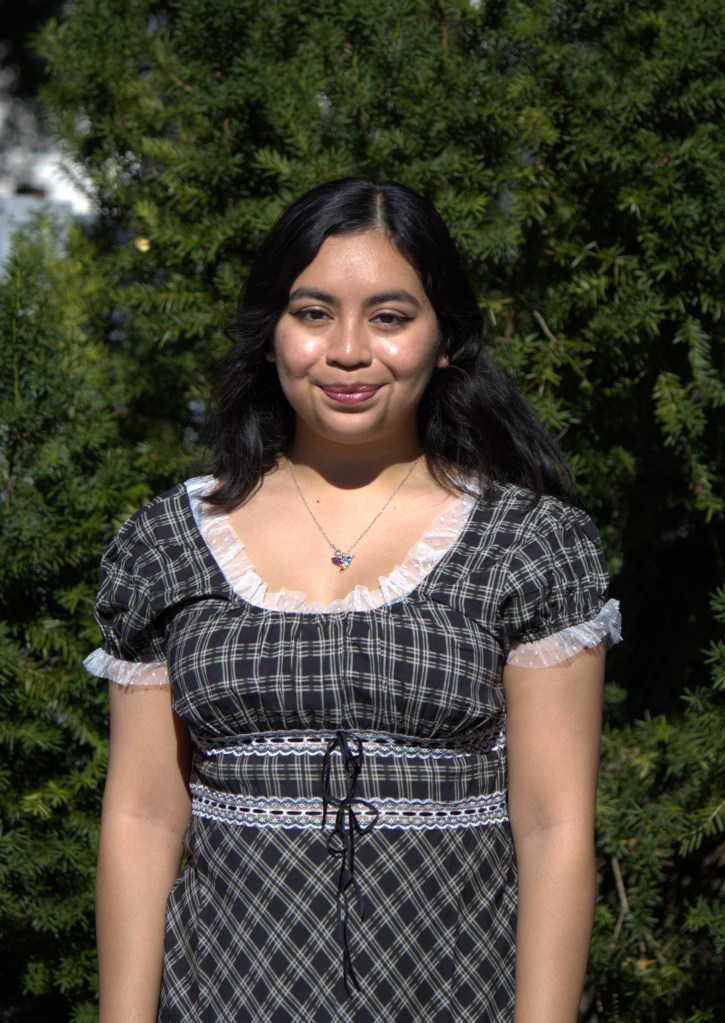
Hello everyone! My name is Sarah Orozco, IRT Alumni ’23 and I am currently pursuing my M.Ed. in Postsecondary Administration and Student Affairs at the University of Southern California (USC). I began my graduate journey immediately after earning my B.A. in Sociology from UC Berkeley.
As you prepare to enter this exciting new chapter, I encourage you to lead with authenticity. You are not expected to know everything on day one, graduate school is a space to explore, specialize, and grow. Embrace the learning process, trust in your experiences, and remember that you belong here. Your voice, your story, and your perspective are needed.
Wishing you strength, confidence, and joy as you take this next step forward!
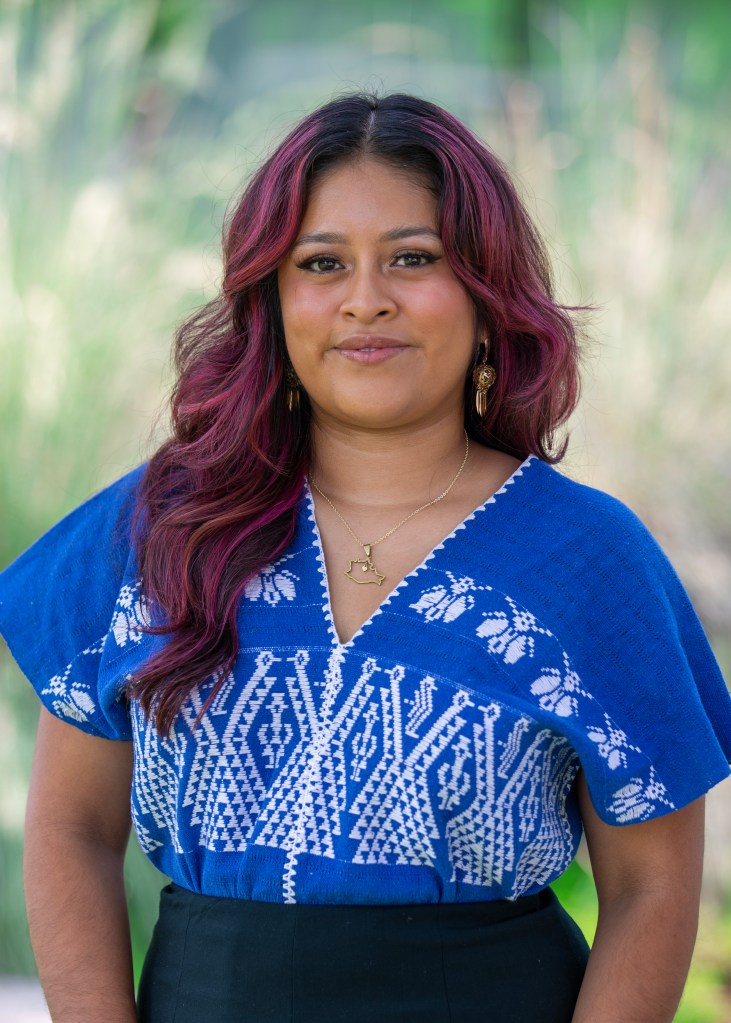
More than a Graduate Student – by Aigné Taylor
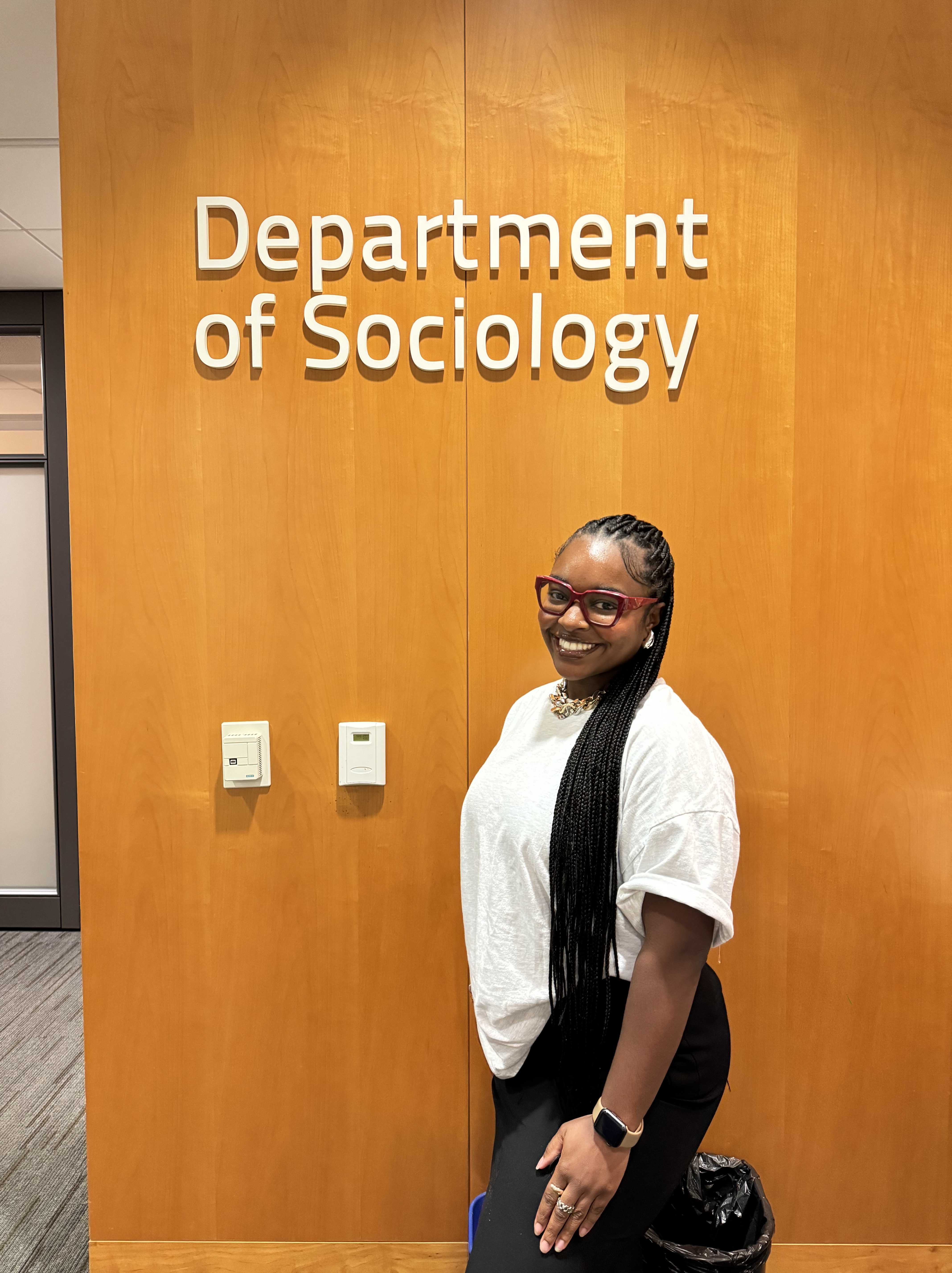
As I reflect on my first year of graduate school as a Ph.D. student, the only thing that continues to cloud my thoughts is how can I be more than a Ph.D. student? In other words, how can I make sure graduate school doesn’t become my entire identity? And doesn’t become the focal point of every conversation? To be honest, I don’t think I have the answers, but I think these questions are worth considering. I pursued a Doctoral program with the goal of conducting sociological research that addresses social problems at the intersection of race, gender, health and inequality. This personal mission drives me daily – which is a good thing, right? However, I find myself constantly thinking about sociology, research and Black women’s health 24/7. I find myself dreaming about a society that will center the experiences of Black women. I find myself reading, writing, watching, and thinking about how to radically transform the world. I find myself in a continuous state of knowledge overload. I find myself making the title of Ph.D. student my entire identity when I am so much more than that. While my sociological lens is growing, it’s normal for it to take up more of my thinking. However, constantly thinking about these matters can be harmful.

So, I challenge every graduate student to think about who they are beyond the academic research that they produce. One way we can try to be more than a graduate student is by finding a hobby — a real hobby. A hobby that rekindles the joy for the inner child in you. Tricia Hersey (2025) recently posted on Instagram that “hobbies are not the devil y’all. You don’t have to go through life monetizing every interest, curiosity or talent you have. Capitalism has taught you this. Please resist.” I dare you to pick up a coloring book, a jump rope or a paintbrush for the joy of it. A second way we can try to be more than a graduate student is to rest. Don’t seek rest as a way to further engage in capitalism, seek rest because your body needs it. While I am in the early stages of my graduate program, I can attest to the fact that our bodies and overall well-being cannot be sustained without intentional rest. A third way we can try to be more than a graduate student is by building a community of support. Specifically, a community within academia and outside of academia. A group of folks who will be there to guide you, love you in your darkest moments and help you engage in wellness practices. My final suggestion on how we can be more than a graduate student is by challenging the systems in place that shape us to believe that we cannot be more than a graduate student. While I write this from the lens of a multi-passionate medical sociologist in-training, it is my hope that the overall message of self-identity, versatility and community is applicable to anyone. We got this.
in solidarity,
aigné m. taylor

If you are an IRT Alum and would like to share your experiences in an upcoming post, please reach out!
 Institute for Recruitment of Teachers