
Leislie Godo-Solo, IRT ’91
Education Programs Specialist, Institute for Recruitment of Teachers
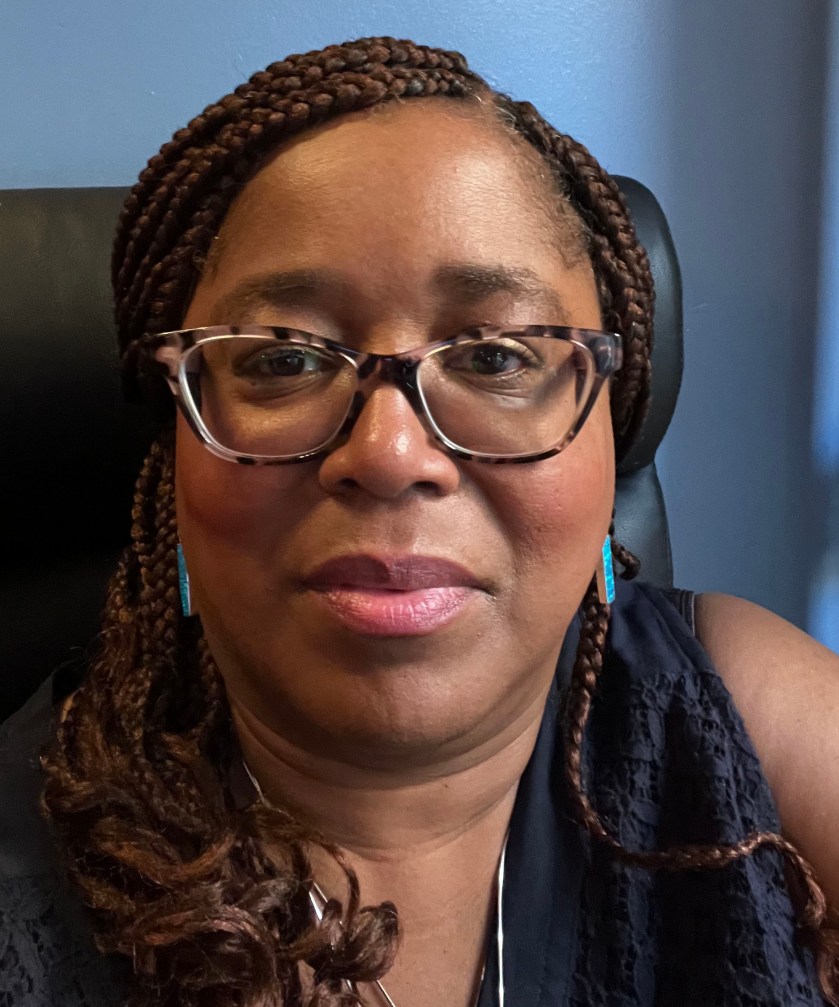
On June 2nd, 2025, I began onboarding the 35th IRT Cohort, which includes 135 Scholars! How time flies, quite literally. It was just yesterday that I found myself on the Phillips Academy campus as a senior planning to apply to a variety of graduate schools in two fields nonetheless – Spanish Literature and Higher Education (sound familiar?), and part of one of the biggest in-person IRT Summer Workshops ever held, numbering 42 individuals. I can tell you stories, lol!
While much has stayed the same, much also has changed as it relates to the IRT Advising program. A dedicated IRT team continues to support IRT Scholars every year as they pursue advanced degrees in the humanities, social sciences, math, and education, and the scholars’ camaraderie remains strong in a virtual world and in the face of great challenges to isolate us from one another. LaShawnda Brooks, Catherine Wong, and I serve as school list advisors and work closely with each scholar to create a well-rounded school list that supports the academic endeavors that each student plans to pursue, and one that considers their personal well-being and the political climate as well. It is no small feat to assist IRT Scholars in this new educational environment.
This year, our three Summer Workshop Curriculum Coordinators, Renée Wilmont, IRT ’12, ’17, Ryan Sermon, IRT ’10, Heather Moore Roberson, IRT ’07, ’10, and I aligned the workshop curriculum and syllabus to ease some of the competing priorities scholars faced as it relates to informational webinars, chalk talks, alumni panels, cohort social hours, and school list appointments. Our goal was to reduce the number of events taking place simultaneously so that students could accommodate our offerings more easily, given their additional responsibilities of work, internships, and family care.
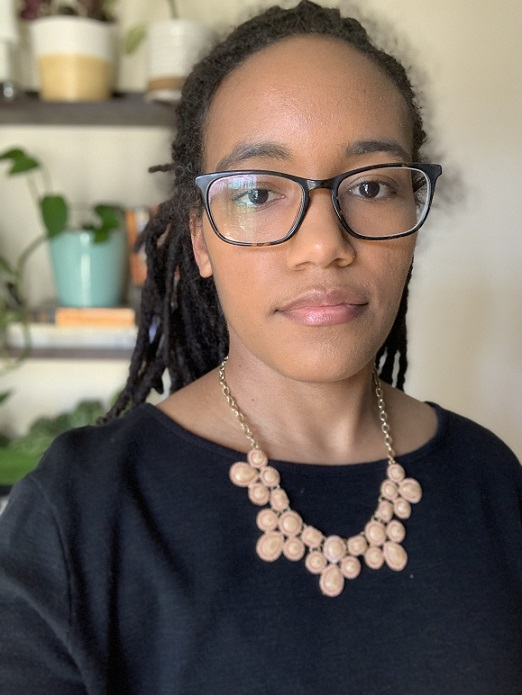

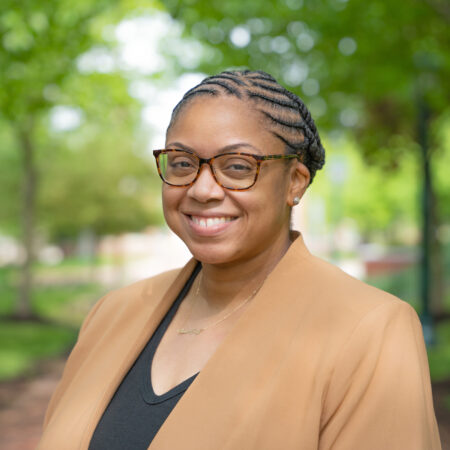
Beginning in early June, scholars are introduced to the IRT and one another in a series of interactive webinars that include demographic information regarding the cohort, an overview of the syllabus, Canvas, and our virtual platform RingCentral Events (RCE), the IRT graduate school process, GRE Prep options and studying for the test, school specific research, goal setting, “What is an SOP?” and expectations of SOP advising. This information provides the foundation for our work together.
The IRT Summer Workshop curriculum is now taught virtually in its entirety, and all students have access to faculty and courses through live streams or can visit the content hub to review sessions. This summer, faculty members returned to the curriculum binders that many alumni may remember and taught the following seminars: On Ideology, On Postcolonialism, On Postmodernism and Deconstruction while complementing the curriculum with other important academic and soft skills courses that prepare scholars for graduate school such as Ways of Reading, Writing for Graduate School, On Teaching, Preparing for Recruiters’ Weekend, the Unwritten Rules of the Academy-Being a Professor, and Professionalism in Higher Education. Real tea is shared during the “Chalk Talk” series with faculty, alumni panels, and with school liaisons during Recruiters’ Weekend. Our Alumni Panels, which are themed in nature and cover First Generation Students, Grad School Fellowship Funding, and others, are rich interactions between the current cohort members and IRT alumni who generously share their time and graduate school experiences with scholars. The Recruiters’ Weekend, also held virtually, allows all scholars to participate and gain valuable knowledge about graduate school programs, fellowships, and events.
The “IRT Ripple Effect” would not be the magic it has become without the 28 alumni advisors who support advisees with an unwavering commitment to ensure that the next generation of educators is well-prepared. Moreover, their expertise broadens our collective knowledge of areas such as Higher Education, Sociology, English and Comparative Literature, and African and African American Studies. Their involvement ensures the success of future cohorts of educators who will be desperately needed in K-12 and collegiate classrooms across the country.
 Institute for Recruitment of Teachers