NCORE, Hope, and the Power of Collective Action at IRT
The recent NCORE conference in New York City was abuzz with keynotes, workshops, and conversations about hope and possibility in our ever-evolving educational landscape. But what truly resonated with me wasn’t just the aspirational talk; it was the tangible, on-the-ground manifestations of these ideals. We engaged in courageous intergenerational and cross-college conversations, actively building coalitions and fostering collective action.
This got me thinking: what does hope and possibility look like in real time for us at IRT?
The annual IRT Summer Workshop gathers current scholars, alumni, university deans, and liaisons during its month-long virtual program. IRT Alumni design the curriculum and engage with scholars through a series of presentations, seminars, and workshops. For more on the Summer Workshop Framework, please refer to a previous post:
Heather Moore Roberson, IRT ’07 & ’10 Dean of Student & Community Development; Associate Professor-Community & Justice Studies & Black Studies Affiliate Faculty-Education Studies, Allegheny College
Heather Moore Roberson, Ph.D. (pronouns: she/her/hers) is a strategic visionary and transformative leader with 17 years of experience teaching and leading in higher education. Dr. Roberson is an award-winning leader, teacher, and researcher who advances initiatives related to race, equity, and justice in higher education. She has published articles on diversity, equity, and inclusion in Academic Leader and facilitated presentations on culturally relevant leadership for the Council of Independent Colleges and Leadership in Higher Education conferences. In 2024, Heather was listed as one of the top 100 Black Trailblazers in the state of Pennsylvania by City & State Magazine—named for leaders in politics, business, and education.
In addition to her administrative responsibilities, Heather is a tenured member of the faculty at Allegheny College in Community & Justice Studies and Black Studies. She is the first Black woman in the College’s history to attain tenure. Dr. Roberson is the recipient of the Thoburn Award for Teaching Excellence and continues teaching courses on race, identity, and education in the United States. As a scholar and lifelong learner, she conducts research in pop culture, Black Studies, Education, and Black youth masculinity. In 2024, her edited collection Thinking about Black Education: An Interdisciplinary Reader (with Dr. Hilton Kelly, Elon University) won the Society of Professors of Education Outstanding Book Award. Heather received two Bachelor’s degrees in Educational Studies and American Studies from Trinity College (Hartford, CT), a M.A. in American Studies from Purdue University, and a Ph.D. in American Studies from Purdue University in 2015.
Finding Clarity in the Chaos; Harnessing the Power of Intergenerational Women of Color Stealth Leadership Part I and Part II
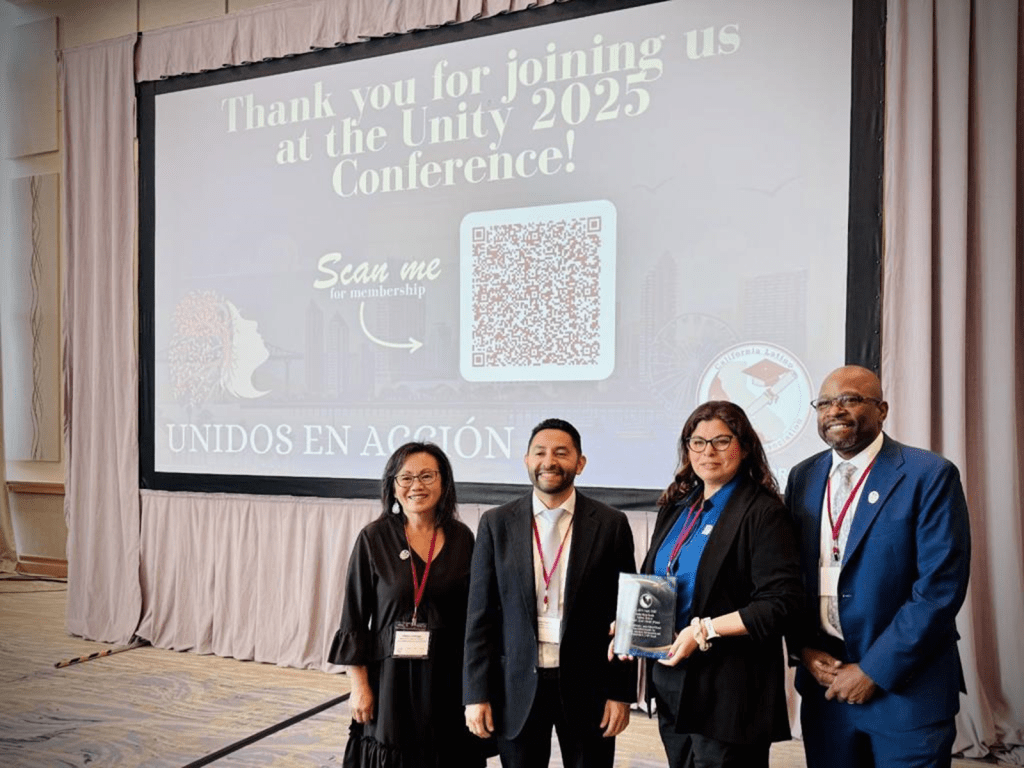
NCORE Presenters: (L-R) Catherine Wong, M.Ed., Patricia Lowrie, M.S. and Jacquelyn Reza, Ed.D.
Higher education faces unprecedented threats to Diversity, Equity, Inclusion, and Justice (DEIJ) initiatives, driven by new state laws and internal resistance, leading to institutional restructuring, defunding of DEIJ efforts, and a diminished sense of belonging. This critical juncture, exacerbated by generational shifts in leadership, necessitates a pivot toward “stealth leadership” for Women of Color. To navigate this complex landscape and sustain socially just systems, it’s crucial to cultivate adaptive skills, including intergenerational coalition-building and decolonized dreaming, and to implement stealth strategies that foster inclusion and belonging. This workshop empowered mid- to senior-level administrators, particularly women and Women of Color, with the tools to analyze real-world cases, understand the historical impacts of colonization on DEIJ, and leverage centriarchy to create “Islands of Equity” within their institutions.
Earlier this month, I joined a webinar hosted by the African American Policy Forum, where I had the opportunity to hear Dr. David Johns, IRT ‘03, share his work and how he stands up for the LGBTQ+ community through these times. It was helpful to hear and see how our alums continue to shape our world through listening, engagement, and advocacy. We know this isn’t easy, and we appreciate your dedication to your field, scholarship, and praxis. This newsletter showcases how our alumni make a difference in their communities through scholarship and capacity building.
Alums likeViviana Cordero-García, IRT ‘15, show the importance of establishing community and working to support students in meeting their goals at Esperanza Academy. Dr. Tiffany Joseph, Andover ‘00, IRT ‘03, research and timely text illustrate how immigration and health care policies impacted communities here in Boston. The newsletter has stories of the impact of alums shaping their fields through text, art, and engagement.
Embracing Change and Supporting IRT Scholars: A Commitment to Growth and Well-Being
As the educational landscape continues to evolve, it’s essential to remember that IRT is steadfast in its commitment to your well-being, your capacity for learning, and your desire to make a difference. We understand that the challenges facing today’s scholars are unique, and we remain here to support you.
The admissions committee is hard at work reviewing over 100 applications for our new cohort, set to begin in June. Our advising team is equally dedicated to assisting our current cohort as they navigate the next steps in their academic journeys. Many are eagerly awaiting responses from colleges and universities regarding their acceptance decisions and funding packages. Additionally, we’re providing critical support to scholars who have been affected by institutions reducing cohort sizes or rescinding acceptance offers due to financial constraints. This situation highlights the unpredictability of today’s academic environment, but we remain committed to guiding our scholars in making informed choices.
You must be logged in to post a comment.